EcoFlow vs Jackery for Portable Power
ByAndrew··Updated
Who This Guide Helps
Use this guide when you are choosing between similar models and need the tradeoffs made explicit.
If you are choosing between EcoFlow and Jackery, the first question is not which brand has the louder fan base. It is what job you need the station to do. These two brands overlap the most in the mainstream portable-power market, but they do not feel the same once you narrow the choice to actual use.
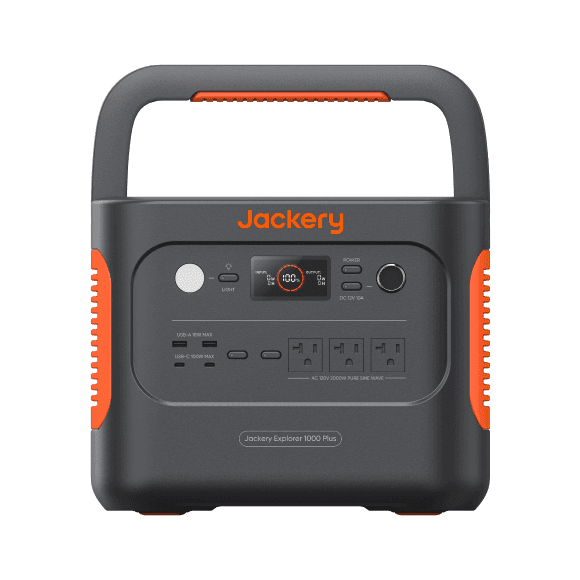
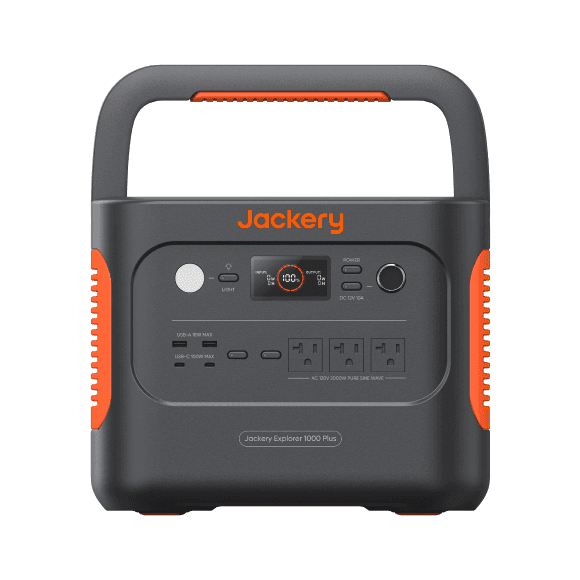
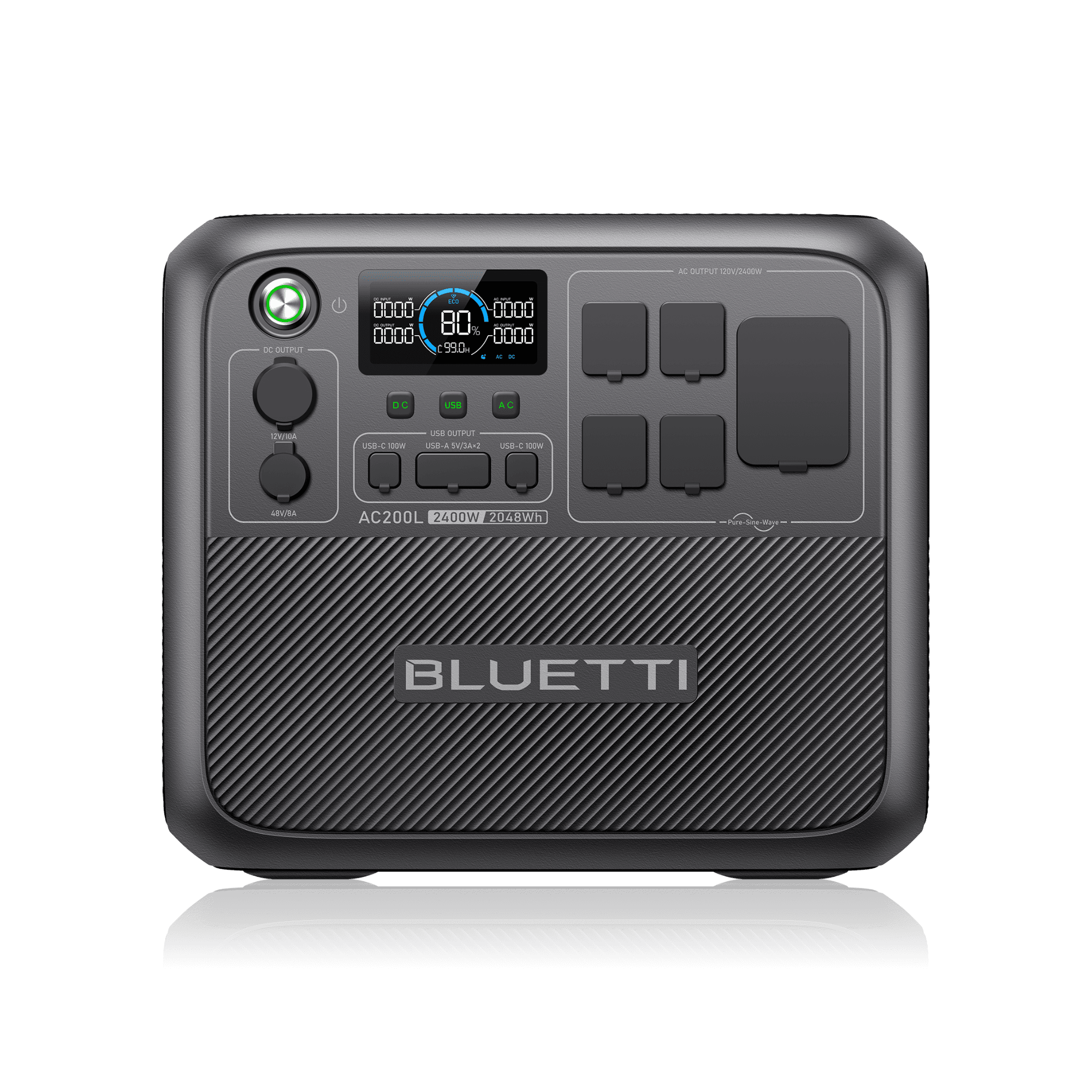
Representative Jackery launch-list model used in the brand comparison guide.
Guide Snapshot
- Best fit for
- Buyers deciding between a small set of overlapping options.
- Key tradeoff
- Specs alone rarely settle the decision without price context and use-case fit.
- Updated
- April 14, 2026
Living Guide
Updated for pricing and coverage changes
Last refreshed on April 14, 2026. We update this guide when tracked portable-power pricing, listing eligibility, or featured launch-list coverage changes enough to affect the recommendation.
Editor's Take
EcoFlow wins on charging speed, discounting, and product depth. Jackery wins on simplicity and portability. If you’re the kind of buyer who watches for sales, EcoFlow’s pricing behavior rewards patience — their mid-range models drop 25-35% below list price regularly. Jackery runs smaller discounts less often. At street price, EcoFlow usually offers more value. At MSRP, the gap is smaller.
Best For Different Buyers
Sweet spot for home backup. 2kWh, fast charging, great app.
EcoFlow EcoFlow DELTA 3
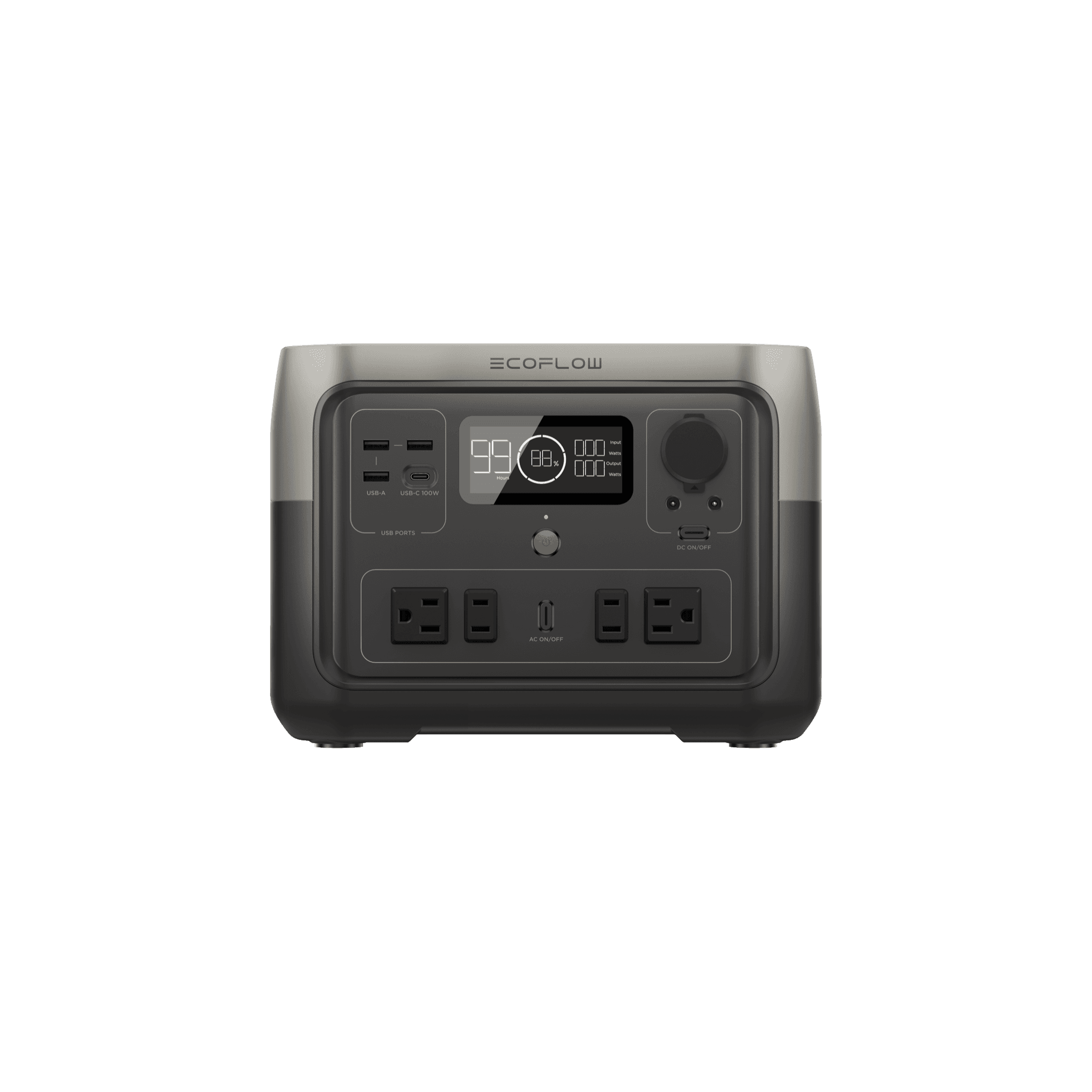
EcoFlow EcoFlow RIVER 2 Pro
Best portable option from Jackery.
Expandable to 24kWh. Jackery's modular flagship.
Recommendations use tracked price context and practical tradeoffs, not commission tiers or fake test scores. Some retailer links may be affiliate links, but recommendations are not ordered by commission. Transparency and Standards.
Decision Framework
How to Think About the Decision
EcoFlow usually makes the stronger case when charge speed matters, when you want more model depth to choose from, or when you know you may grow into a larger system later. Jackery usually makes the stronger case when you want a simpler portable-power buy, a straightforward product line, and fewer decisions once you have picked your size.
For small and mid-size units, EcoFlow has generally been more aggressive about charging speed and discounting. That matters if you care about topping a unit back up quickly between outages, weekend trips, or work-from-home interruptions. It also matters if you are the kind of buyer who is willing to wait for a real sale instead of paying list price.
Jackery's strength is usually simplicity. The naming is easier to follow, the product pages are easier for mainstream buyers to scan, and the lineup makes sense if you mostly want portable backup rather than a deeper home-energy ecosystem. If your goal is a clean, recognizable option for occasional outages, Jackery is often easier to recommend without a long explanation.
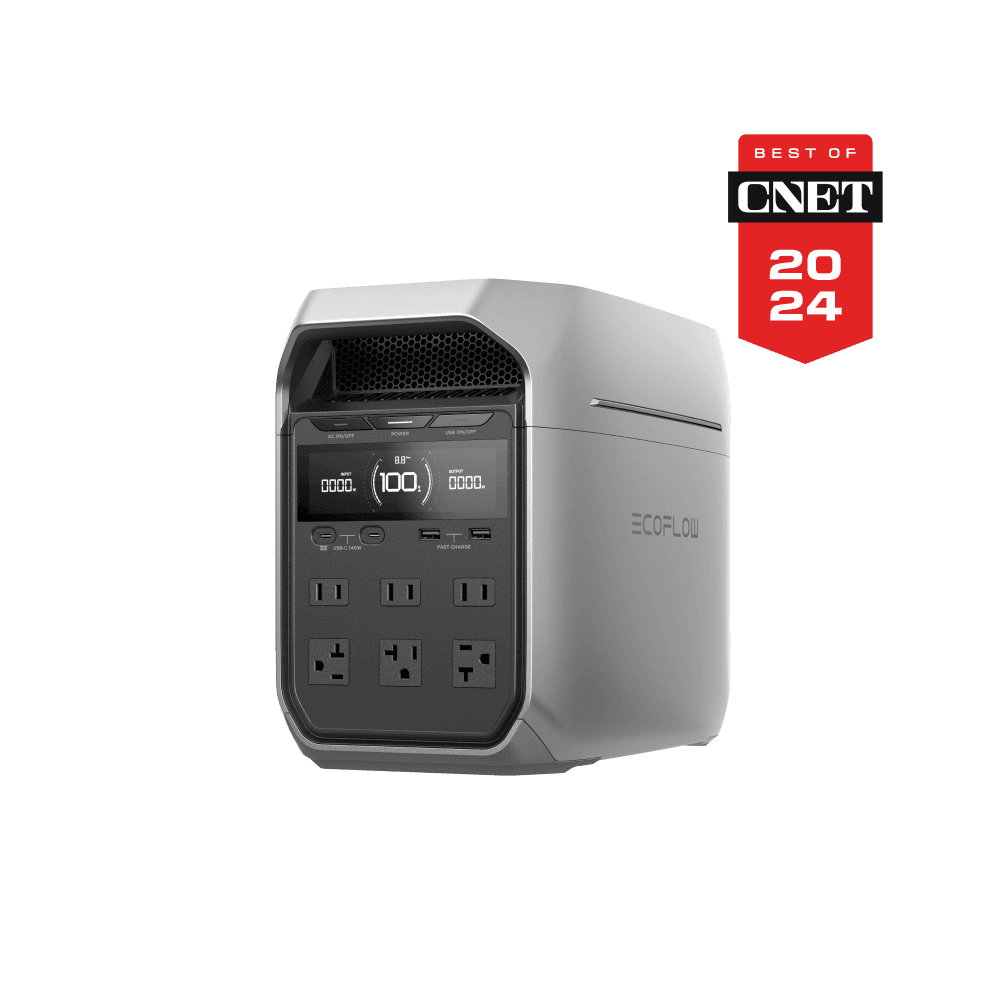
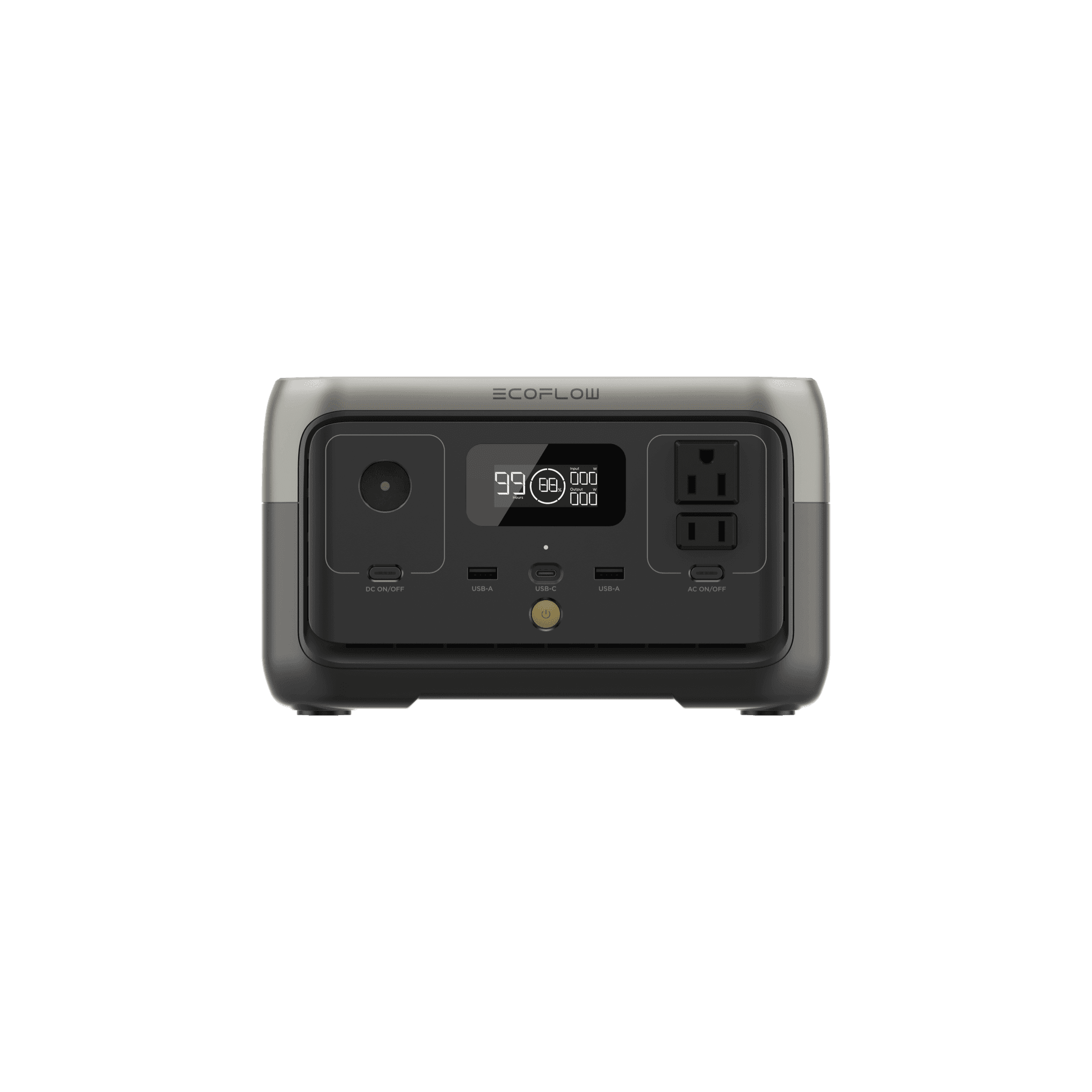
The practical split looks like this. If you want a smaller station for routers, phones, lights, laptops, and short outages, EcoFlow's RIVER line is usually the more flexible place to start. If you want a mid-size station that can cover more serious loads without becoming a whole-house project, models like the EcoFlow DELTA 3, DELTA 2 Max, and Jackery Explorer 1000 Plus are the part of the market worth comparing most carefully.
Sale pricing changes the answer more than brand mythology does. EcoFlow tends to run harder discounts, which means its mid-band models often look stronger when you are willing to buy opportunistically. Jackery makes more sense when the price gap is small enough that you would rather trade a little charging speed and ecosystem depth for a cleaner, simpler buying decision.
There is no universal winner here. Buy EcoFlow if you care most about fast recharging, a broader ladder of capacity options, and more aggressive sale behavior. Buy Jackery if you want a mainstream portable-power setup that is easy to understand, easy to move, and less likely to turn into a bigger system conversation than you wanted.
If you are still stuck, pick by size before you pick by logo. A correctly sized station from either brand is more useful than a brand-name favorite that is too small for your actual loads or too big for the way you will really use it.
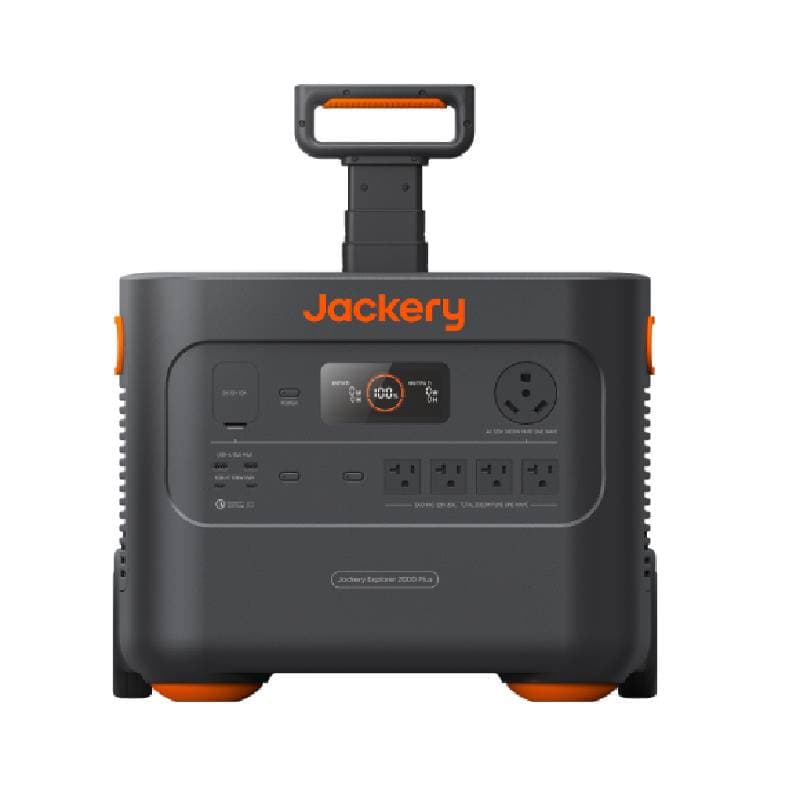
The closest head-to-head is EcoFlow DELTA 2 Max ($849 current) vs Jackery Explorer 2000 Plus ($899 current). Similar capacity, similar output. The DELTA 2 Max charges roughly 3x faster from a wall outlet — under 2 hours vs Jackery’s roughly 5.5 hours. The Jackery is lighter at 61.5 lbs vs 50.7 lbs. If charging speed matters, EcoFlow. If you’re splitting hairs, check which one is cheaper this week.
How we picked these
We track prices daily across multiple retailers, filter to eligible listings before a price becomes the public headline, and use current pricing context to sharpen the recommendation. Picks are not ordered by commission, and timing language stays conservative when history is still thin. Editorial standards →
Spot an error or outdated detail?
Guides are maintained as tracked pricing, launch-list coverage, and recommendation context change. Send a correction or coverage note through Contact. Our editorial accountability standards are explained in Standards.
Our Picks
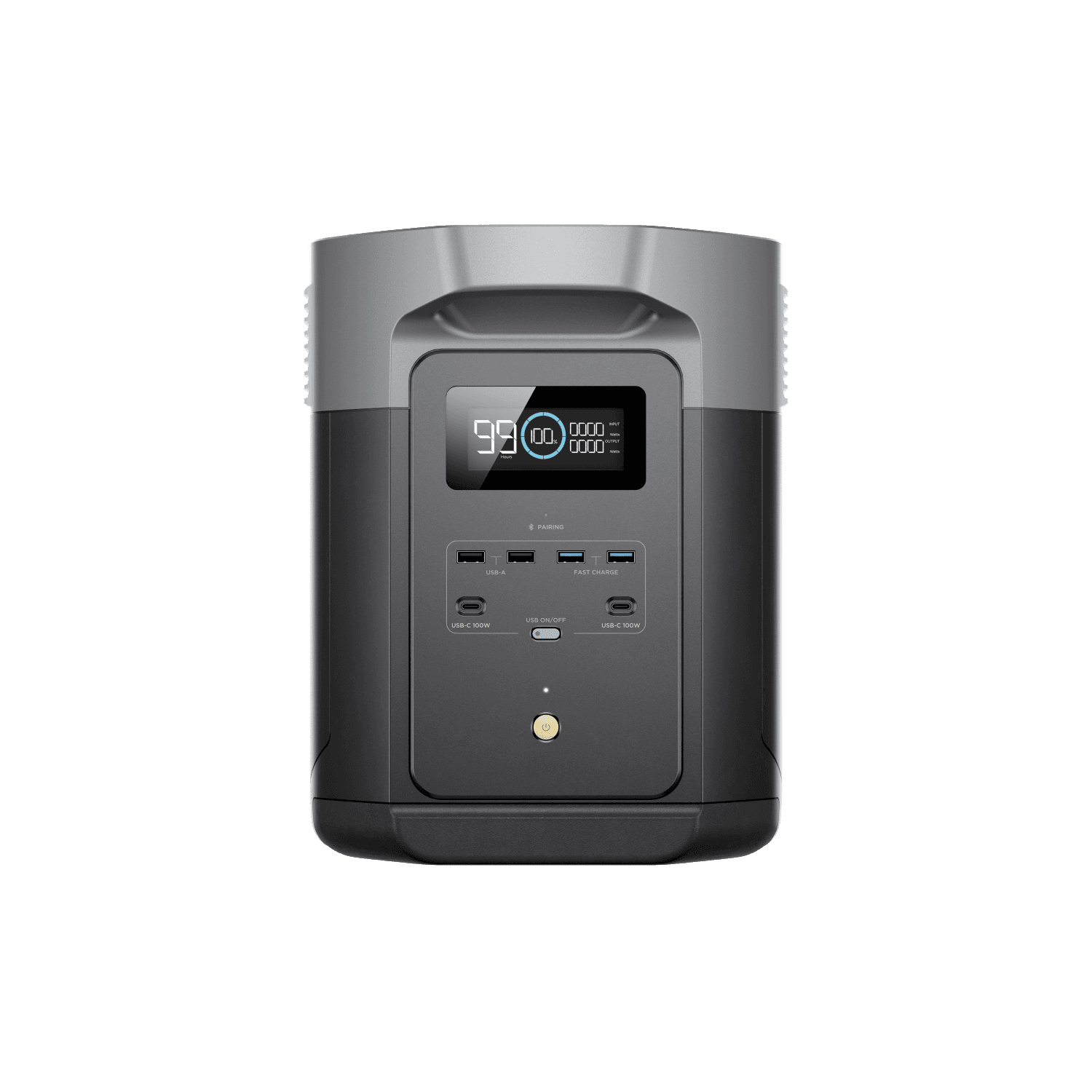
EcoFlow
Sweet spot for home backup. 2kWh, fast charging, great app.
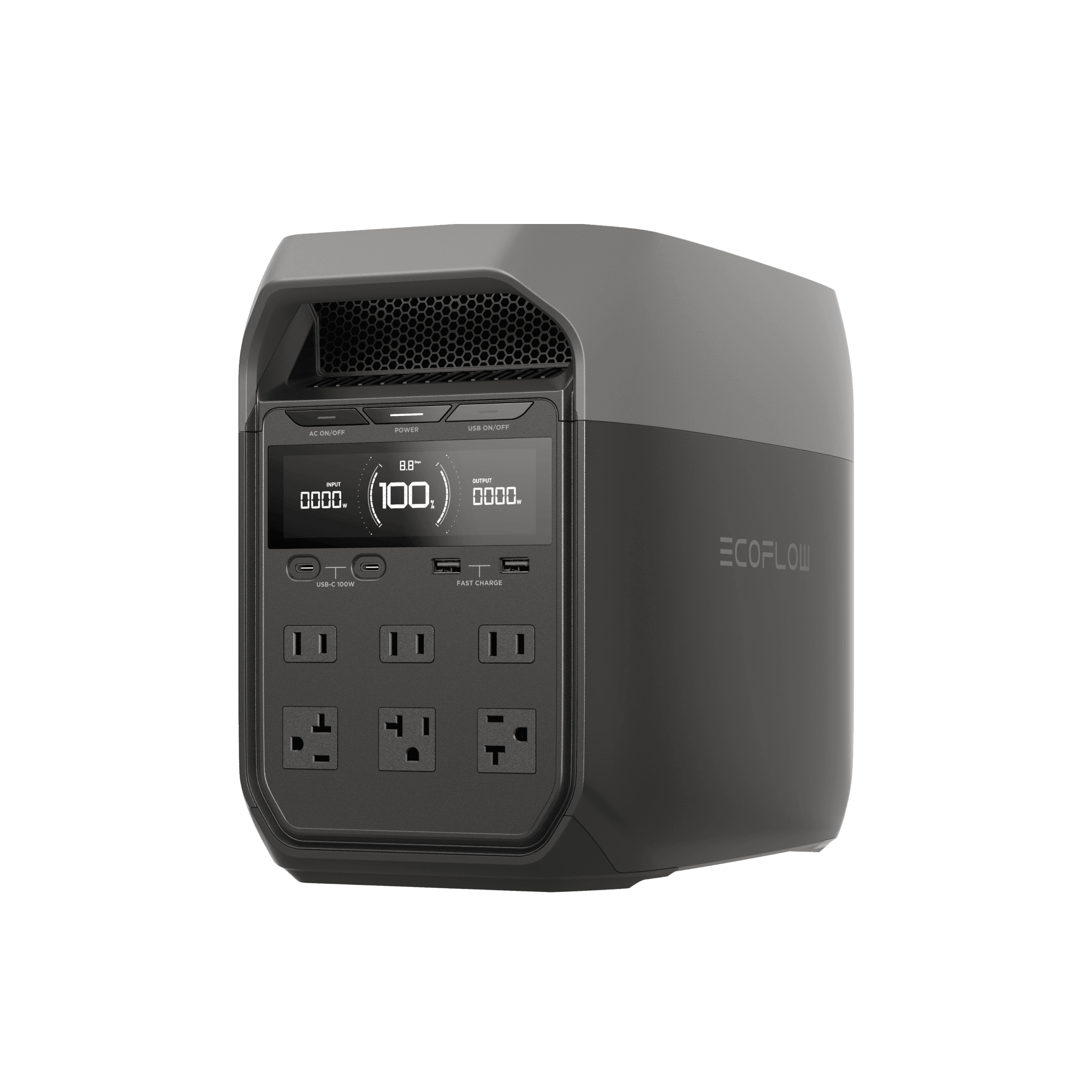
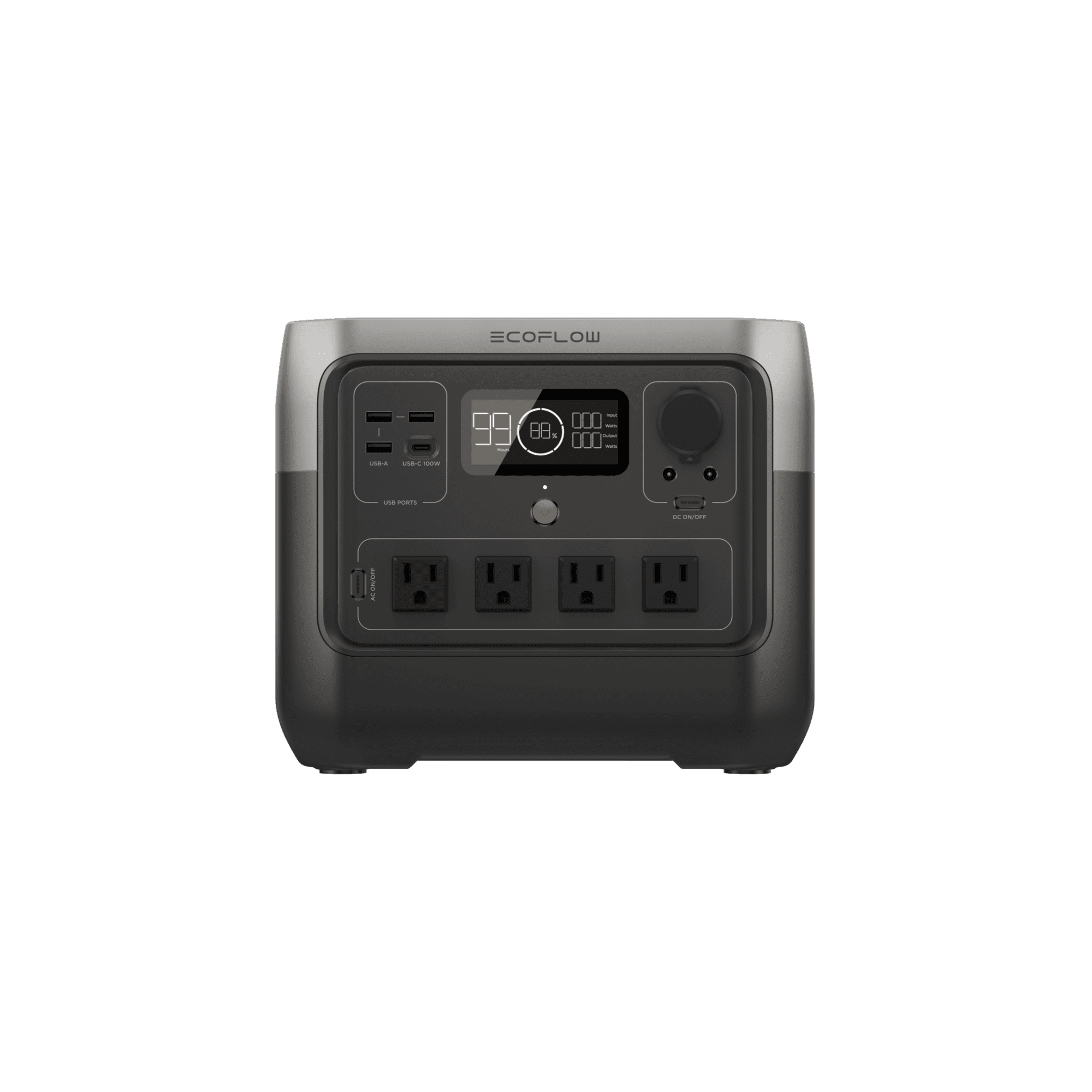
Jackery
Expandable to 24kWh. Jackery's modular flagship.
EcoFlow
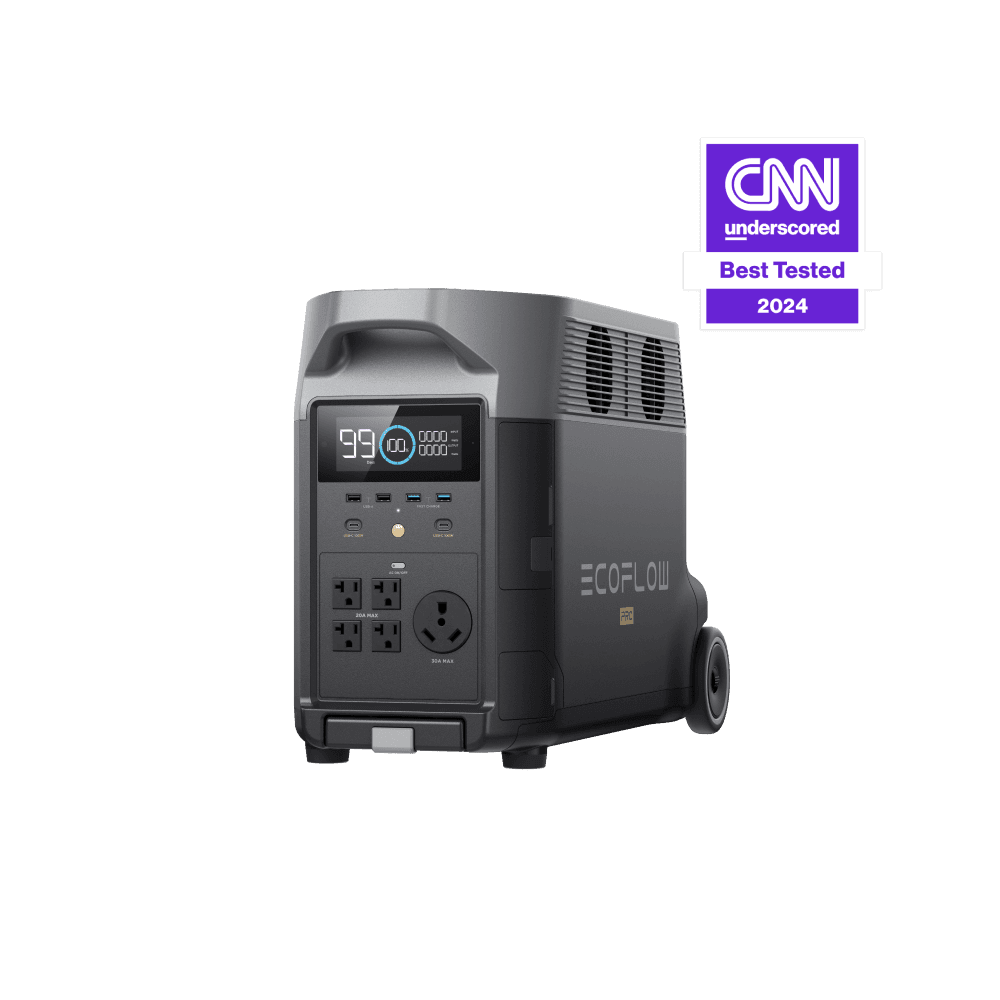
Expandable to 25kWh. The serious home backup option.
Recommendations use tracked price context and practical tradeoffs, not commission tiers or fake test scores. Some retailer links may be affiliate links, but recommendations are not ordered by commission. Transparency and Standards.