Best Portable Power Stations for Preppers
ByAndrew··Updated
Who This Guide Helps
Use this guide when you want the shortest path to the right portable power station.
Portable power is one of the few preparedness categories where live retailer pricing actually helps normal people make better buying decisions. The products are mainstream, the price swings are meaningful, and the wrong purchase is usually a sizing mistake rather than a technical one.
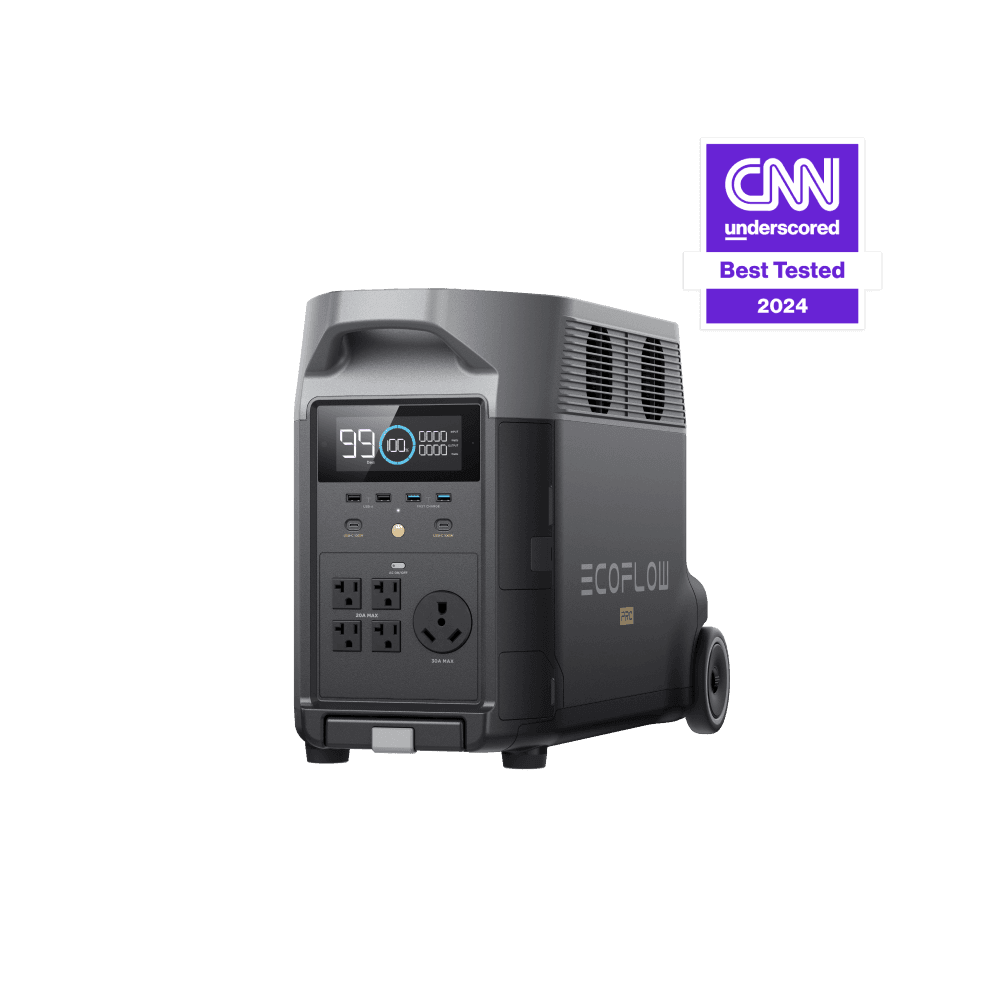
Representative launch-list model used for the flagship preparedness guide.
Guide Snapshot
- Best fit for
- Buyers narrowing a few realistic portable-power options.
- Key tradeoff
- Capacity, portability, and price timing matter more than chasing the biggest unit.
- Updated
- April 14, 2026
Living Guide
Updated for pricing and coverage changes
Last refreshed on April 14, 2026. We update this guide when tracked portable-power pricing, listing eligibility, or featured launch-list coverage changes enough to affect the recommendation.
Editor's Take
If you’re building your first preparedness setup, the EcoFlow DELTA 2 Max at $849 is the one I’d start with. 2kWh is enough to keep a fridge alive for 10-15 hours, charge every device in the house, and run a router and lights through the night. It charges from a wall outlet in under 2 hours, which matters when you’re racing a storm warning. The expandability means you can add batteries later without replacing the whole unit.
Best For Different Buyers
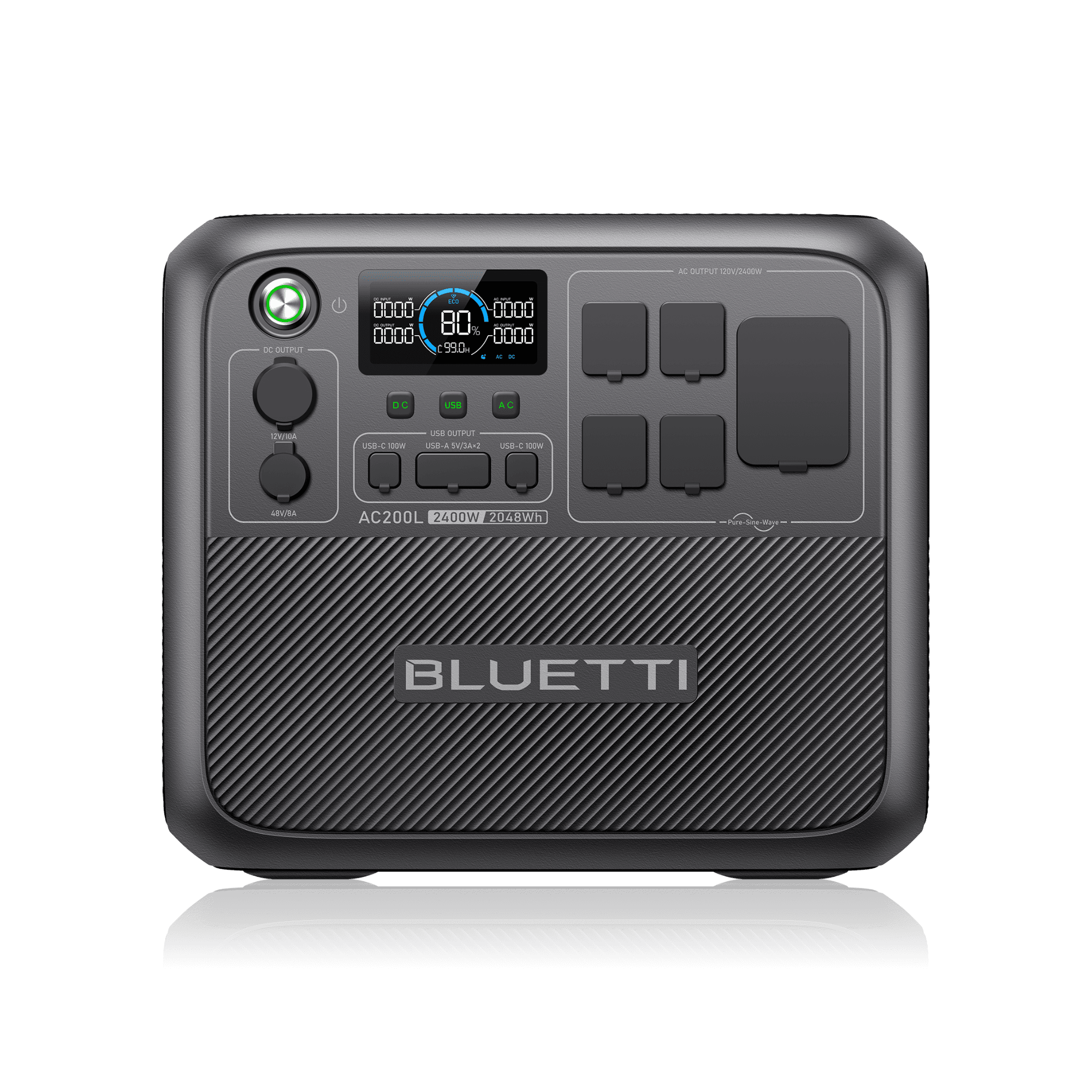
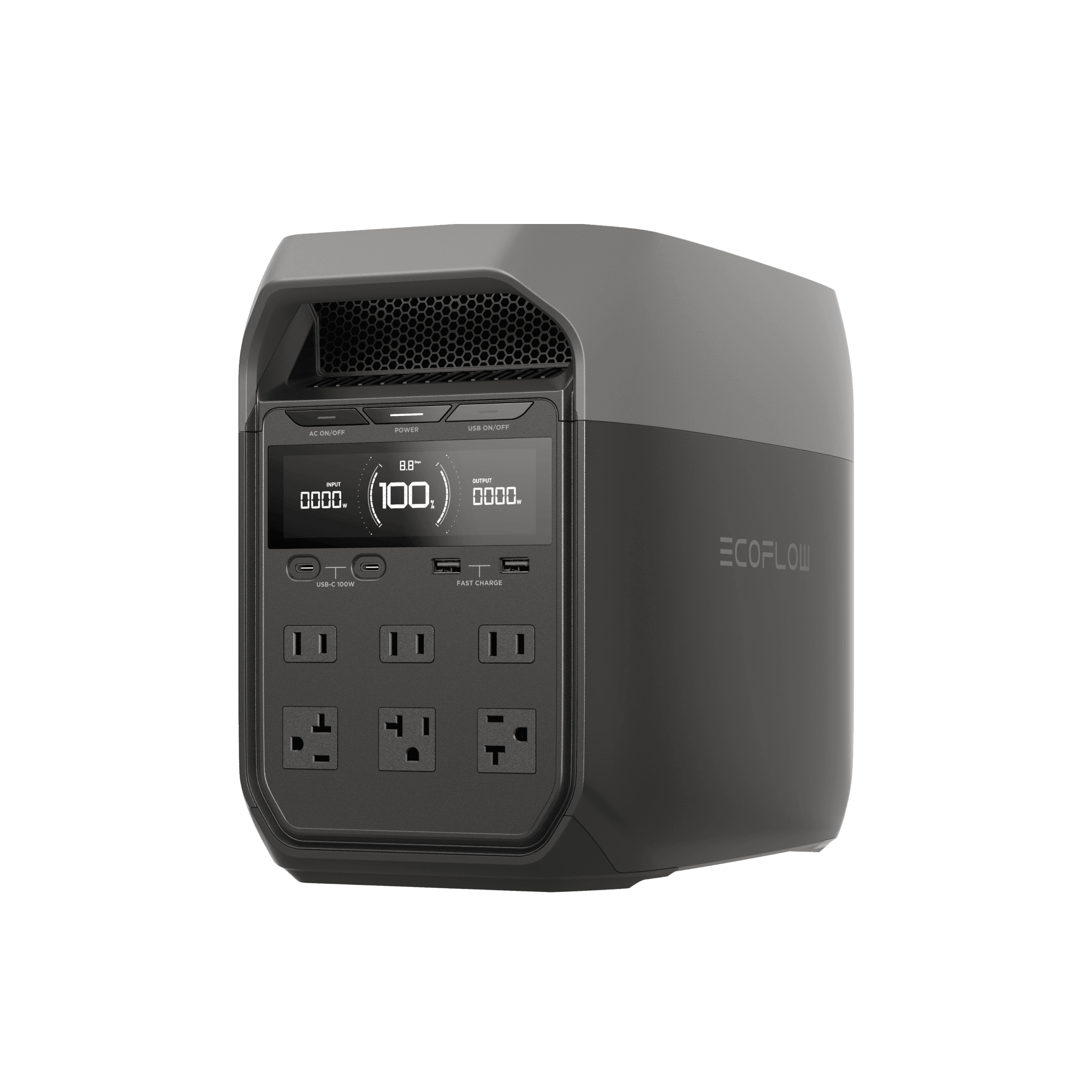
Value play in mid-range. Expandable, good app.
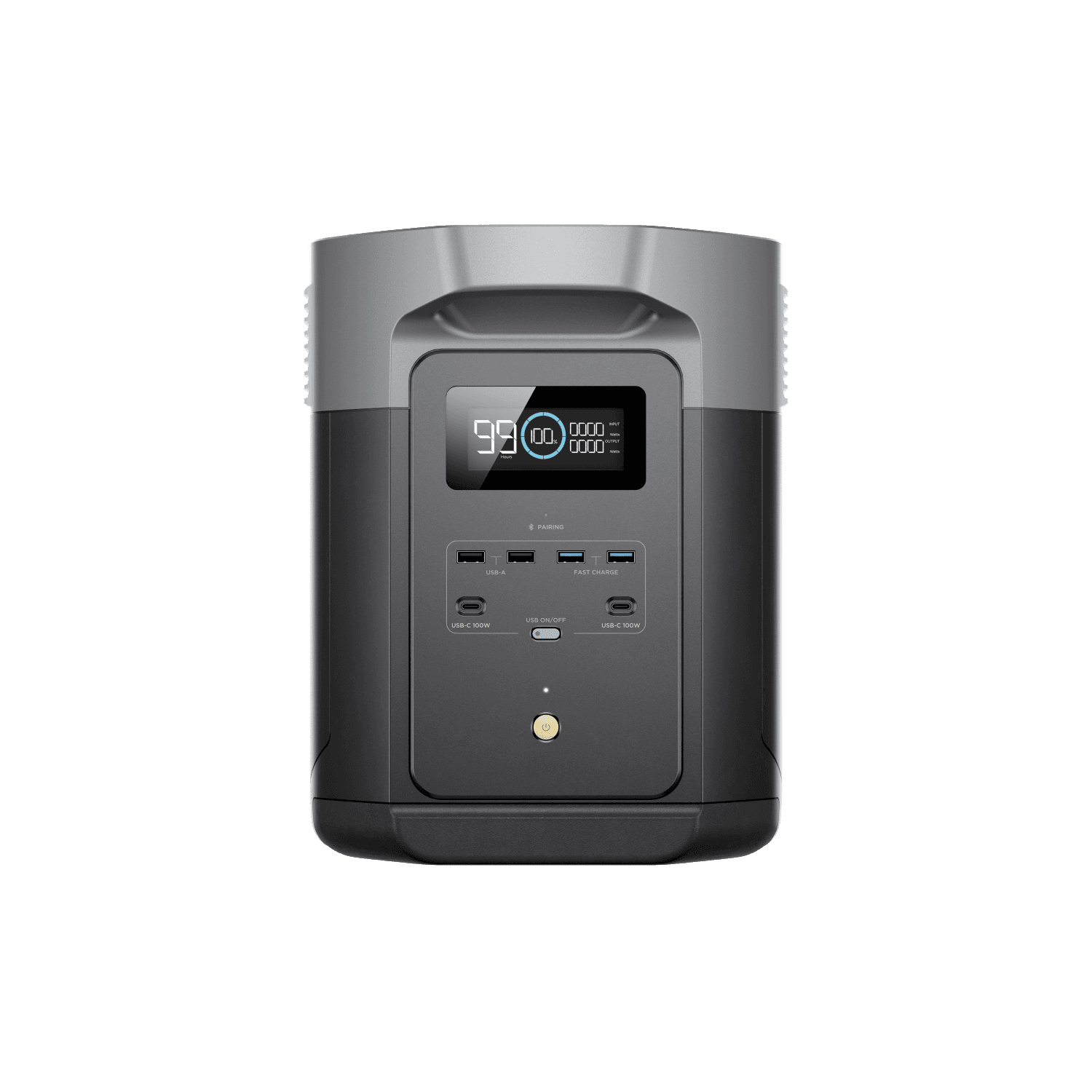
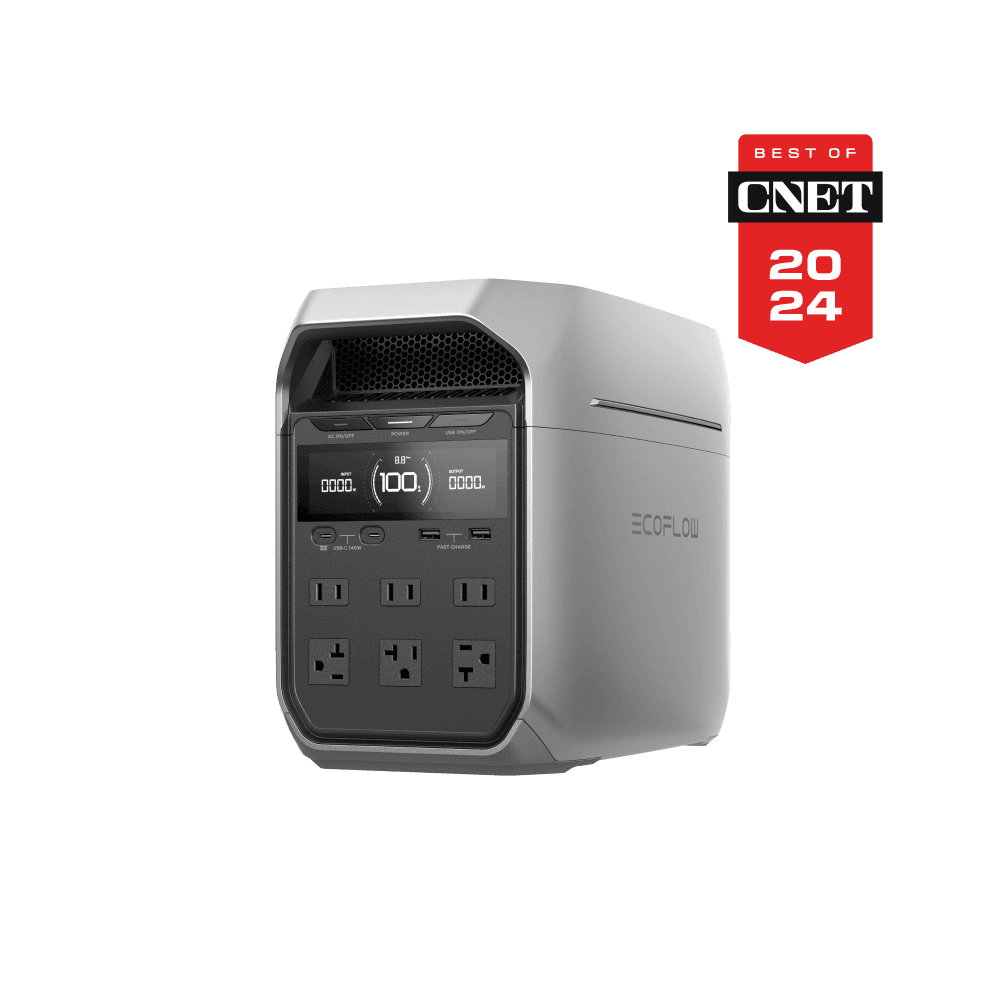
Sweet spot for home backup. 2kWh, fast charging, great app.
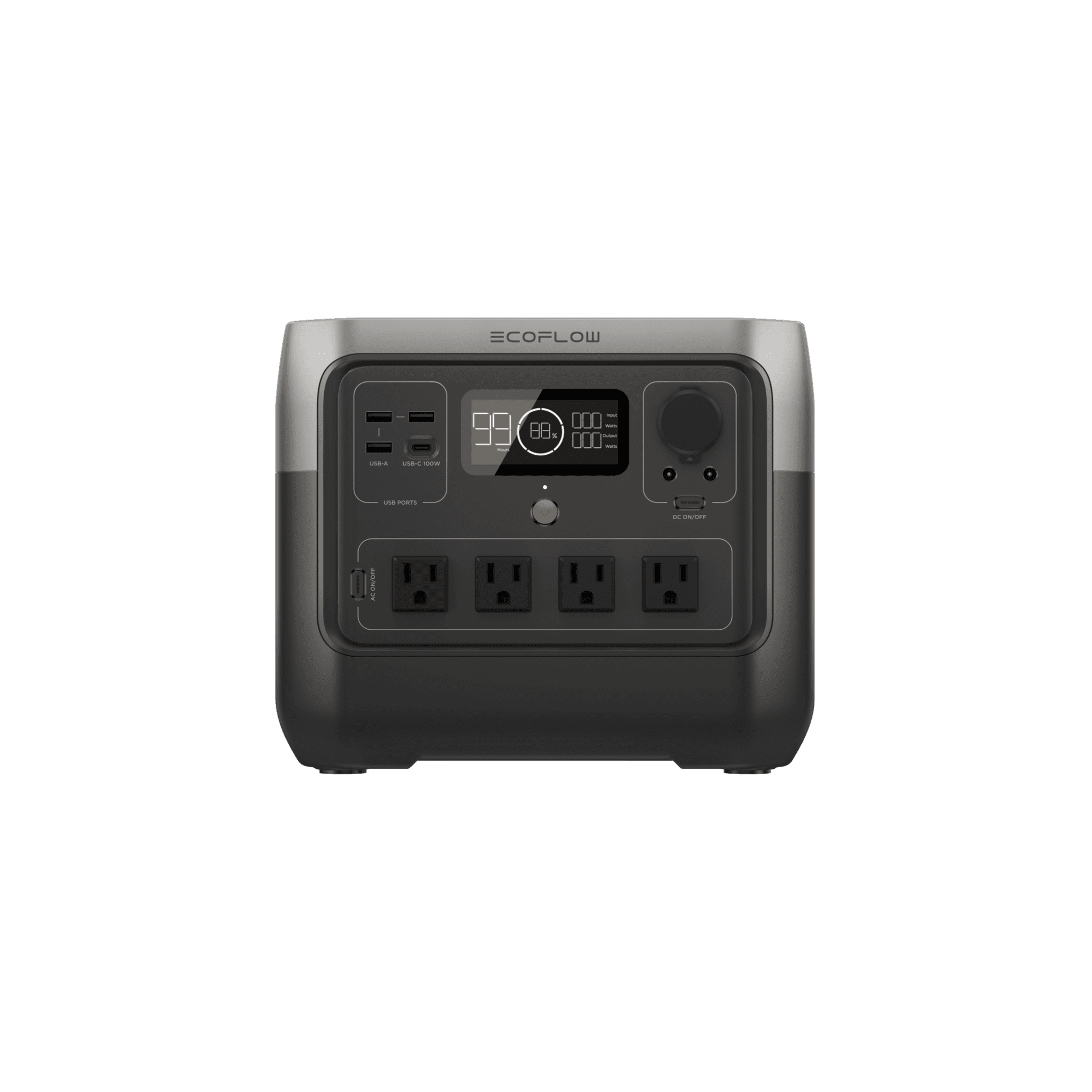
The largest RIVER. Enough for a laptop workday or light overnight use.
1kWh sweet spot. Real appliance support starts here.
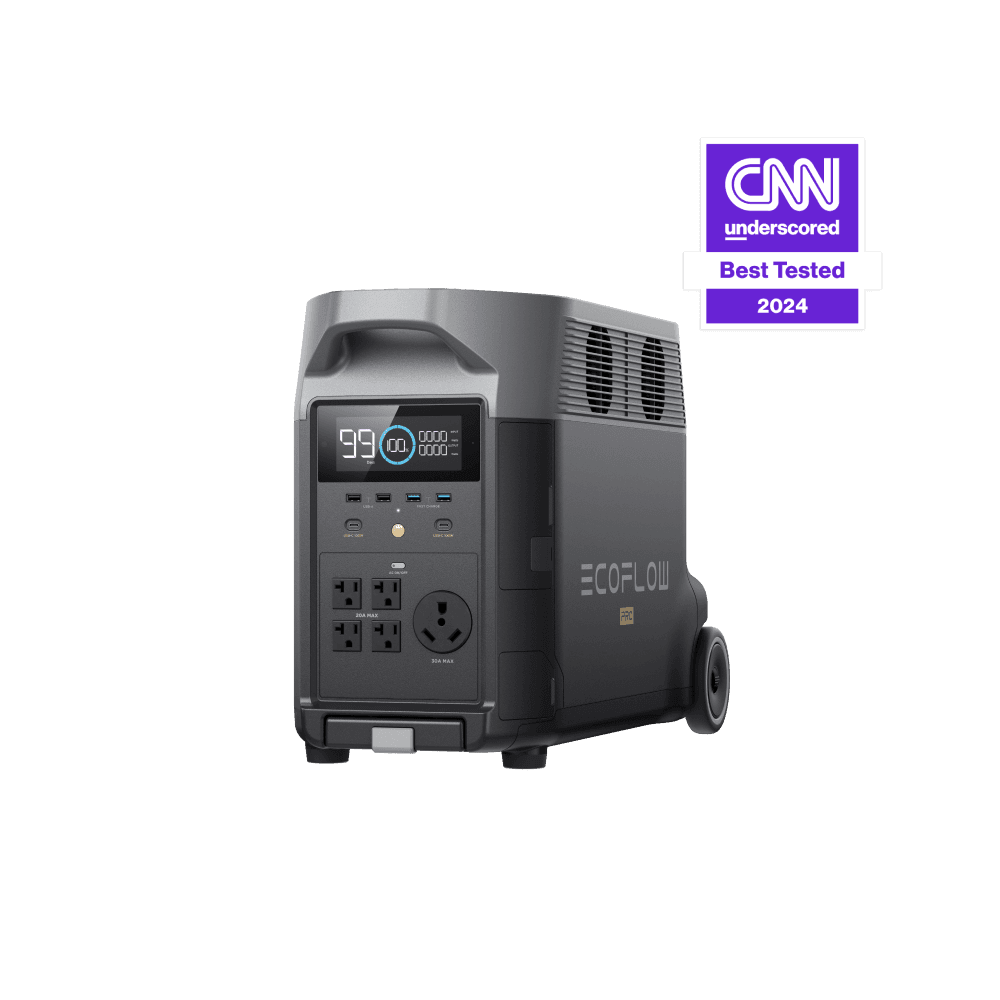
Expandable to 25kWh. The serious home backup option.
Recommendations use tracked price context and practical tradeoffs, not commission tiers or fake test scores. Some retailer links may be affiliate links, but recommendations are not ordered by commission. Transparency and Standards.
Decision Framework
How to Think About the Decision
This beta stays narrow on purpose. We are only covering a launch list of portable power stations we can track consistently, map cleanly, and price with enough confidence to be useful. That means fewer models, fewer claims, and a much higher bar for what gets featured.
For most households, the first decision is not brand. It is size. Smaller stations are easier to move, easier to justify, and often go on sale hard enough that they make sense as a first backup for phones, lights, radios, routers, and short laptop use. Larger stations make sense when you are planning around refrigeration, longer outages, or a more deliberate backup setup.
The current sweet spot for many buyers is still the 1kWh to 2kWh class. That is where pricing gets competitive, portability is still reasonable, and the step up from a small emergency battery is obvious in real use. It is also where discounting has been frequent enough to matter.
When you move into larger expandable systems, the buying decision changes. You are no longer just comparing capacity and sale price. You are comparing weight, recharge speed, app quality, battery expansion path, and whether the system is actually realistic for your home or vehicle setup. Bigger is not automatically better if it is too expensive or too awkward to use.
For beta launch, we are featuring a small set of models that currently have at least one eligible base listing and a valid product-level current price. That keeps the hero price, where-to-buy rows, and future alerts tied to durable state instead of noisy bundle pages or duplicate retailer listings.
Our public deal language is intentionally conservative. We show the current tracked price first. Stronger timing language only appears when the history is deep enough to support it. If a model is thin on history, you may still see the current price and recent retailer rows without a stronger recommendation about whether to buy now or wait.
If you are choosing your first station, focus on your likely use case before you chase the lowest possible sale price. A compact station for communications and short outages is a different tool from a heavier unit you want to lean on during multi-day utility interruptions. Portable power works best when the size of the system matches the job you are actually trying to solve.
This guide will stay narrow during beta. We would rather maintain one practical guide with live data behind it than publish a wider library before the coverage is ready.
The preparedness angle changes the math in two ways. First, you’re not optimizing for convenience — you’re optimizing for worst-case runtime. Second, charging speed matters more than it does for camping, because grid power might disappear with short notice. That’s why I weight fast AC charging heavily in these picks. Solar charging is a nice bonus but it’s not plan A for most grid-down scenarios in the first 48 hours.
How we picked these
We track prices daily across multiple retailers, filter to eligible listings before a price becomes the public headline, and use current pricing context to sharpen the recommendation. Picks are not ordered by commission, and timing language stays conservative when history is still thin. Editorial standards →
Consensus and references
We do not claim lab testing. For flagship guides, we pair our tracked pricing and editorial judgment with a small set of outside references that help ground specs, safety context, and broader buying tradeoffs.
- EnergySage: home battery buyer guidance
Useful outside context on backup-power sizing and use-case tradeoffs.
- UL Solutions: portable power station overview
Supports the safety and certification side of portable-power buying decisions.
- Manufacturer specification pages
Brand spec pages were used as one input for product details and feature comparisons.
Spot an error or outdated detail?
Guides are maintained as tracked pricing, launch-list coverage, and recommendation context change. Send a correction or coverage note through Contact. Our editorial accountability standards are explained in Standards.
Our Picks
EcoFlow
Sweet spot for home backup. 2kWh, fast charging, great app.
EcoFlow
The largest RIVER. Enough for a laptop workday or light overnight use.
EcoFlow
Expandable to 25kWh. The serious home backup option.
EcoFlow
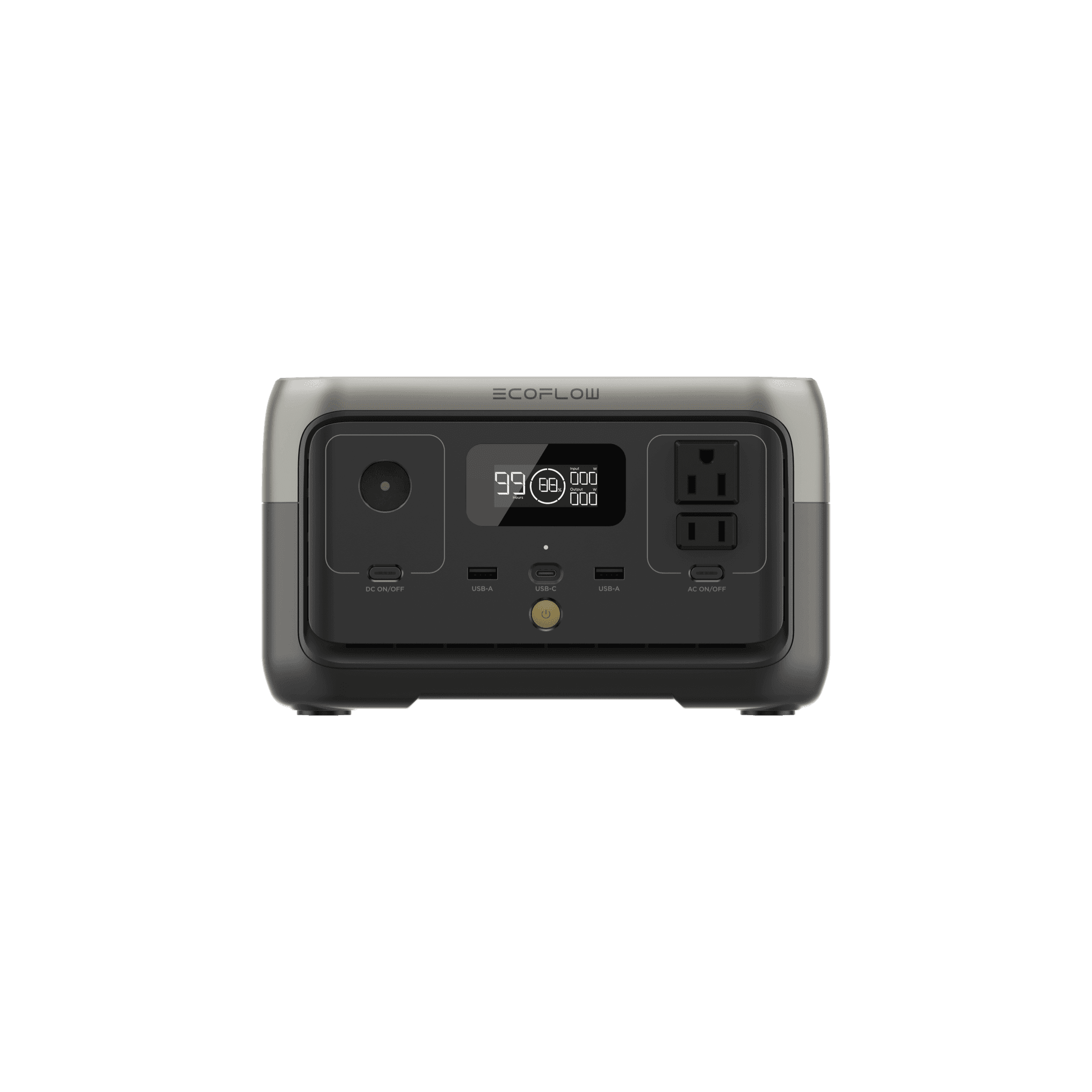
Cheapest entry point. Phones, router, lights — that's the honest scope.
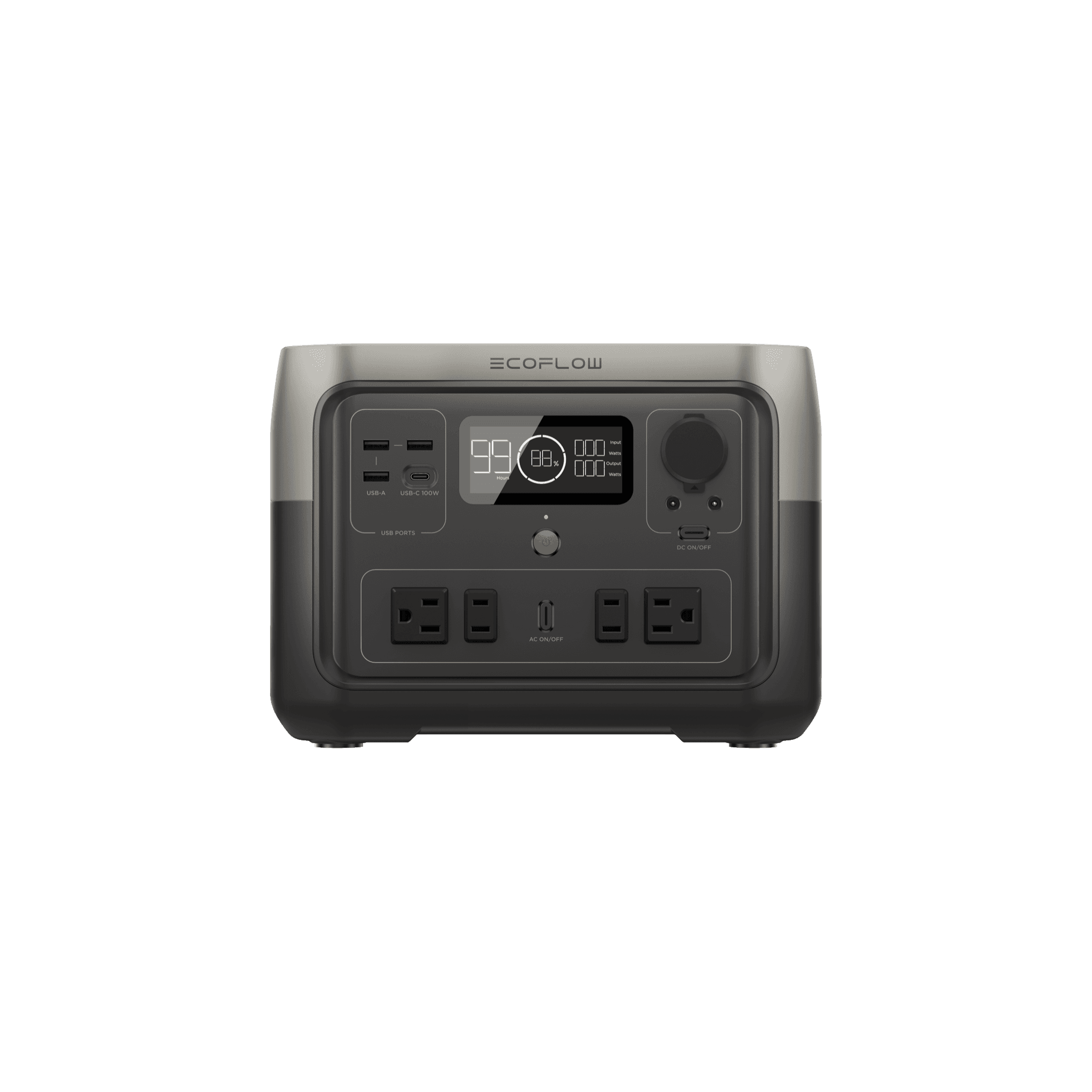
EcoFlow
Double the RIVER 2's capacity for $60 more. The better starter buy.
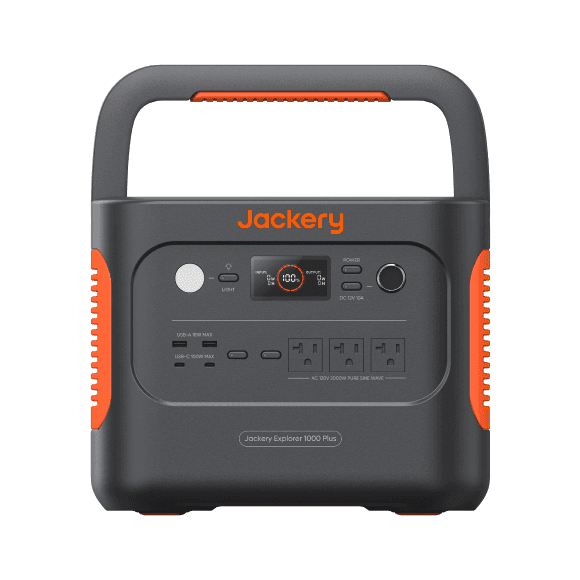
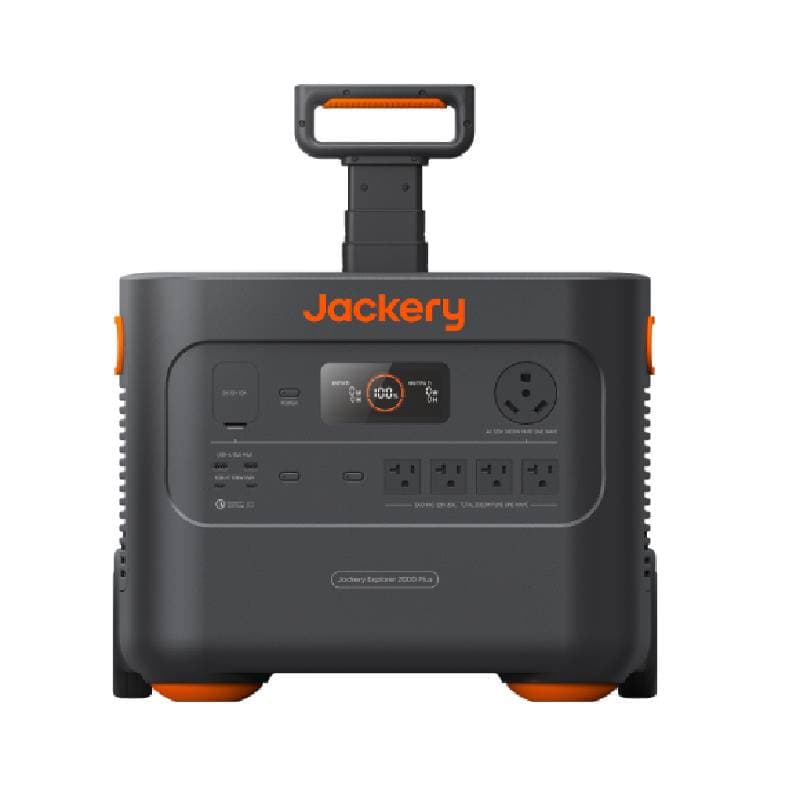
Jackery
Expandable to 24kWh. Jackery's modular flagship.
Recommendations use tracked price context and practical tradeoffs, not commission tiers or fake test scores. Some retailer links may be affiliate links, but recommendations are not ordered by commission. Transparency and Standards.